The Importance of Sensory Play for Child Development
Childhood is a time of immense growth and development, and one of the most crucial aspects of this journey is sensory play. Sensory play involves engaging a child's senses—sight, sound, touch, taste, and smell—in activities that stimulate their curiosity and creativity. It plays a pivotal role in a child's cognitive, emotional, and physical development. In recent years, the concept of sensory rooms has gained popularity, offering dedicated spaces where children can explore and learn through sensory experiences. In this blog, we will explore the importance of sensory play and how you can build a sensory room to support your child's development.
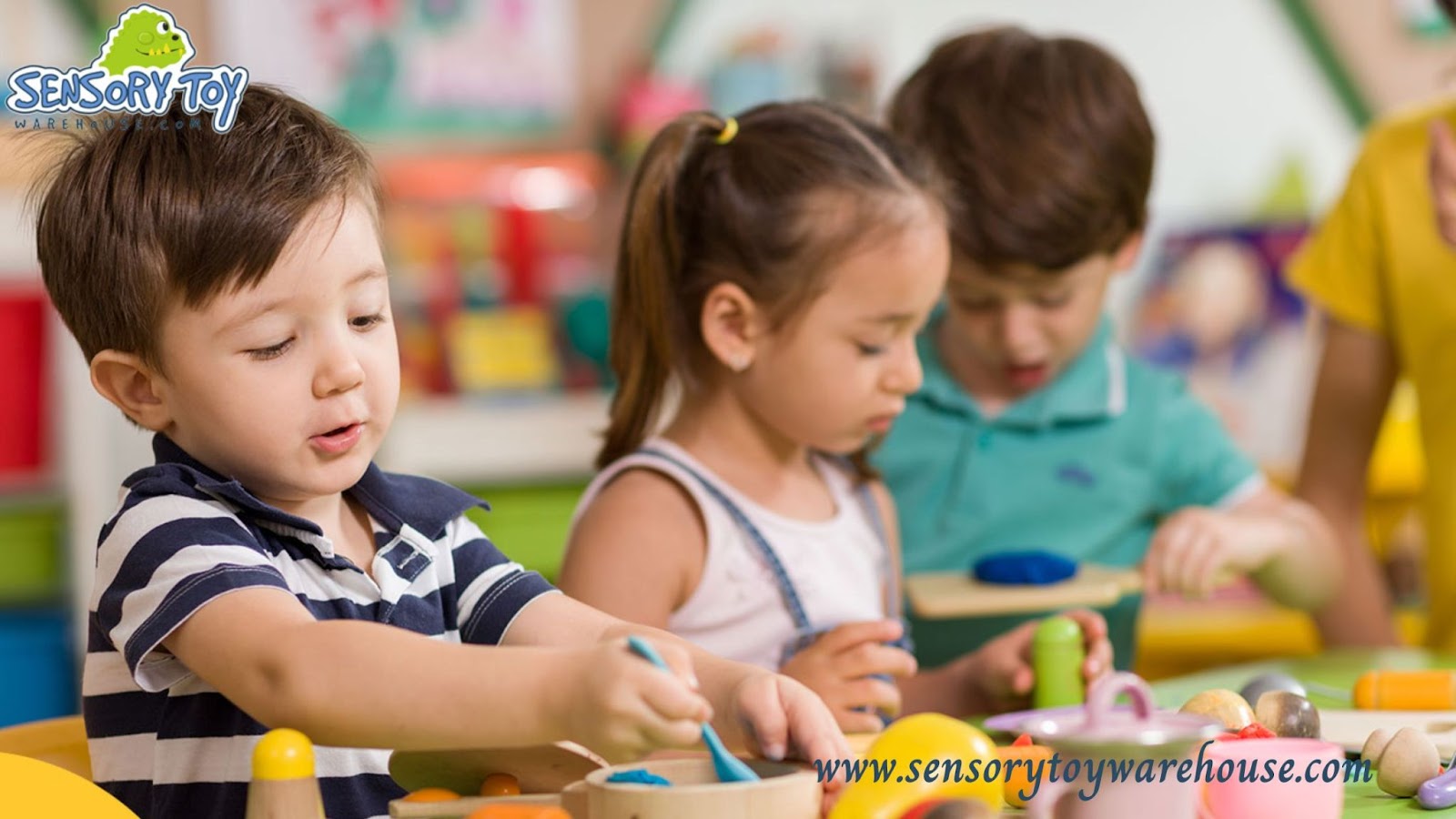
The Power of Sensory Play
Sensory play is not just about having fun; it is a vital component of early childhood development. Here are some of the key reasons why sensory play is so important:
1. Cognitive Development
Sensory play helps children build a strong foundation for cognitive skills. When children manipulate sensory materials like sand, water, or playdough, they learn about cause and effect, problem-solving, and basic maths and science concepts.
2. Emotional Development
Sensory play can be a source of comfort and emotional release for children. It helps them regulate their emotions, reduce stress, and express their feelings safely and creatively.
3. Language Development
Engaging in sensory activities allows children to explore and describe their experiences, which in turn enhances their language development. They learn new words, develop communication skills, and expand their vocabulary.
4. Motor Skills
Sensory play supports the development of fine and gross motor skills. Activities like finger painting, cutting, and pouring help children strengthen their hand muscles and improve coordination.

5. Social Skills
Sensory play often takes place in a group setting, promoting social interaction and cooperation. Children learn to share, take turns, and work together, laying the foundation for healthy social relationships.
Building a Sensory Room
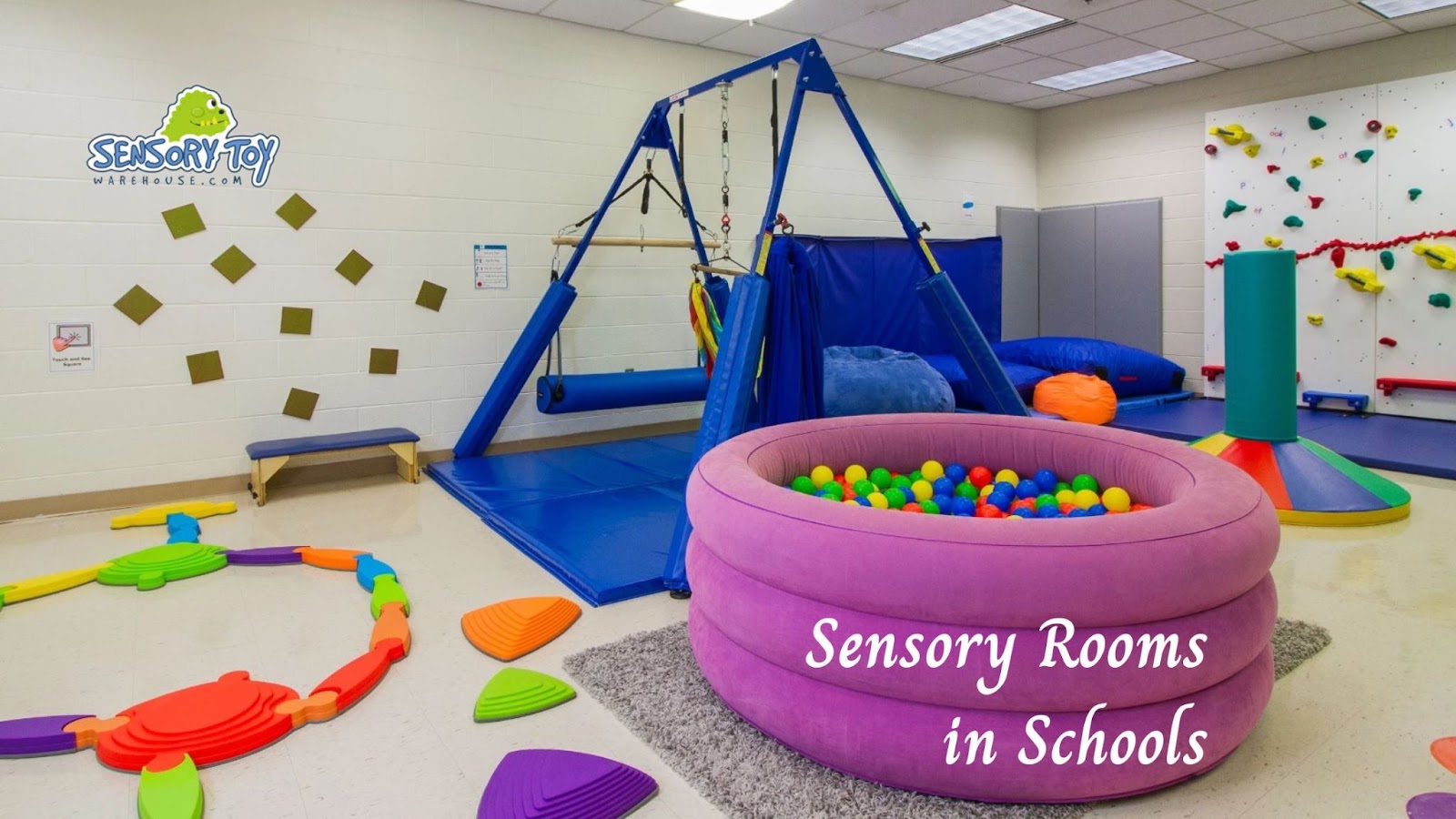
One effective way to harness the benefits of sensory play is by creating a sensory room in your home or educational setting. Here are some steps to consider how you can build a sensory room.
1. Choose a Suitable Space
Select a room or area that is quiet, comfortable, and free from distractions. Ensure it has good lighting and ventilation.
2. Sensory Materials
Stock the room with a variety of sensory materials such as soft cushions, textured fabrics, musical instruments, art supplies, and sensory toys. These items should cater to all five senses.
3. Safety First
Ensure the room is safe for children by securing furniture and materials. Avoid small objects that could be a choking hazard and use non-toxic, child-friendly products.

4. Organisation
Create defined zones within the room for different sensory experiences. For example, designate an art corner, a tactile area, and a cozy reading nook.
5. Flexibility
Keep the sensory room adaptable to cater to your child's changing interests and needs. Rotate materials and activities to keep the experience fresh and exciting.
Wrapping Up
Sensory Toy Warehouse offers imaginative sensory play as a fundamental building block for a child's development, enhancing cognitive, and emotional while fostering social skills. To provide your child with the full benefits of sensory play, consider building a sensory room with assistance from us at Sensory Toy Warehouse where we excel in our services whether it's home or educational environment. By creating a dedicated space for sensory exploration, you can empower your child to learn, grow, and thrive through hands-on, sensory-rich experiences. So, go ahead and start building that sensory room your child's development will thank you for!

Comments
Post a Comment